About
The Toledo Design Collective is inspiring transformative growth through urban planning and thoughtful design.
Who We Are
As a non-profit organization, our full-time staff, supported by our active volunteer board, is dedicated to improving the function and aesthetic of the Toledo region.
Our expertise and passion stems from decades of combined experience as architects, city planners, urban developers, community leaders and devoted Toledo residents.

Staff

Ryan Bunch
Ryan A. Bunch is TDC's Studio Director, a placemaking professional, writer, and advocate for community-driven urban design. He has led initiatives in Toledo to foster just, inclusive community engagement and civic design, aiming to reconnect neighborhoods and promote equity. Previously, he served as Senior Director of Outreach and Advocacy at United Way of Greater Toledo and Director of Community Initiatives at The Arts Commission, where he established Toledo's Creative Placemaking program, Forward Toledo’s Cultural Trail framework, and strengthened Toledo's 211 program. Ryan holds a B.A. in English from the University of Toledo, is a Nonprofit Administration alumnus of The Washington Center, a recipient of Toledo's 20 Under 40 Award, and is certified in Safegrowth and Scenario Planning for Urban Futures from U of M Nexus. He is actively involved with Welcome Toledo Lucas County and Reinvest Toledo.

Cathy de Haan
Cathy de Haan is TDC's Outreach and Development Coordinator. Cathy has over a decade of experience in the development of projects and non-profits organizations at the intersection of culture, architecture and technology that tackle socioeconomic challenges. She has developed numerous campaigns on issues such as economic inequality, ecological change, and migrant rights. Cathy holds a bachelor's degree from the University of the Arts In Utrecht (NL) and master's degree from Goldsmiths' College, University of London (UK), where she studied political economy, creative cities and grassroots activism.
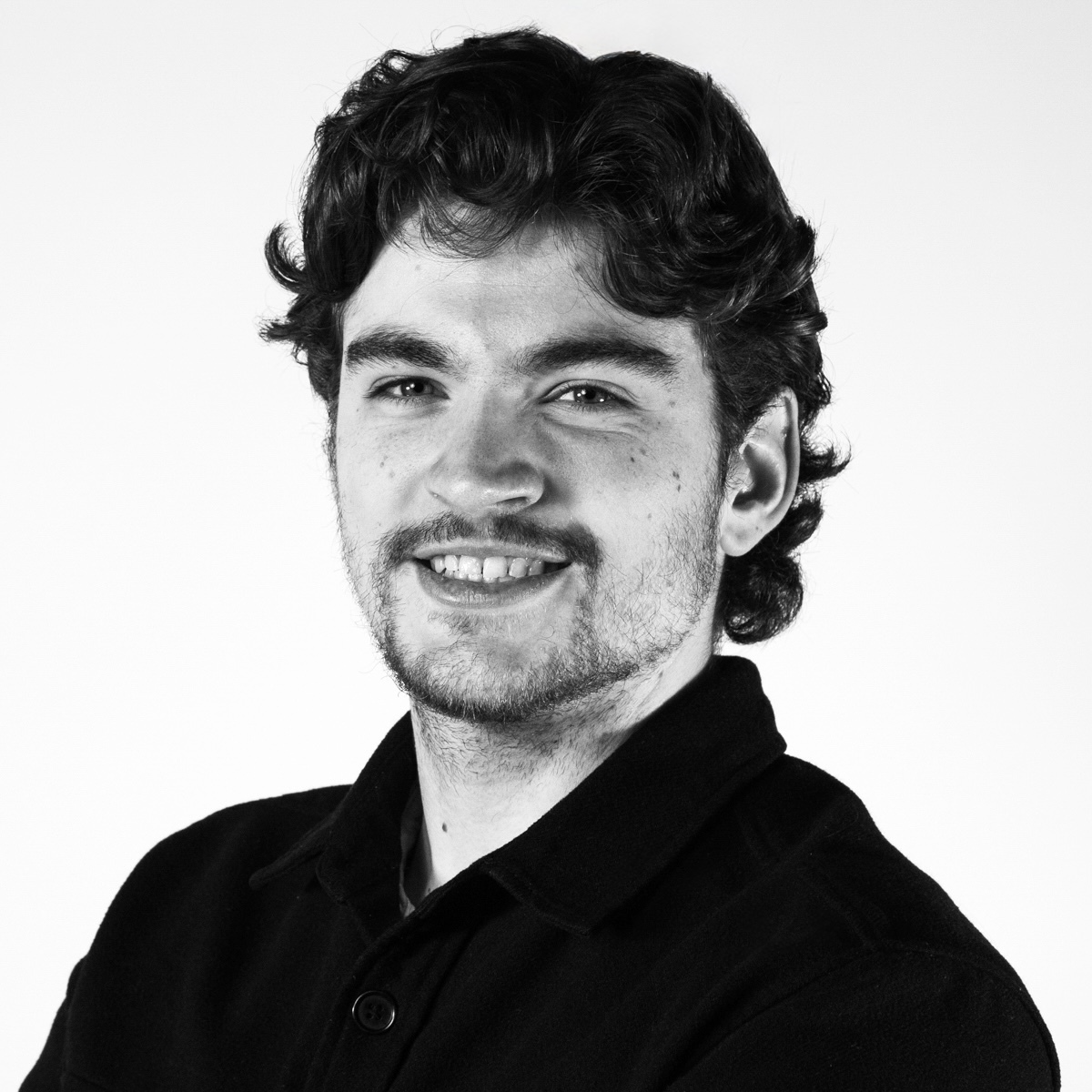
Sean Kidd
Sean Kidd has joined the team as our new Urban Planner, Community Design & Education Manager. A former TDC Co-op while studying at the University of Cincinnati, Sean has a passion for dense, beautiful cities with reliable transportation and inviting public space. He is looking forward to bringing new ideas and strengthening existing and new development in our region.
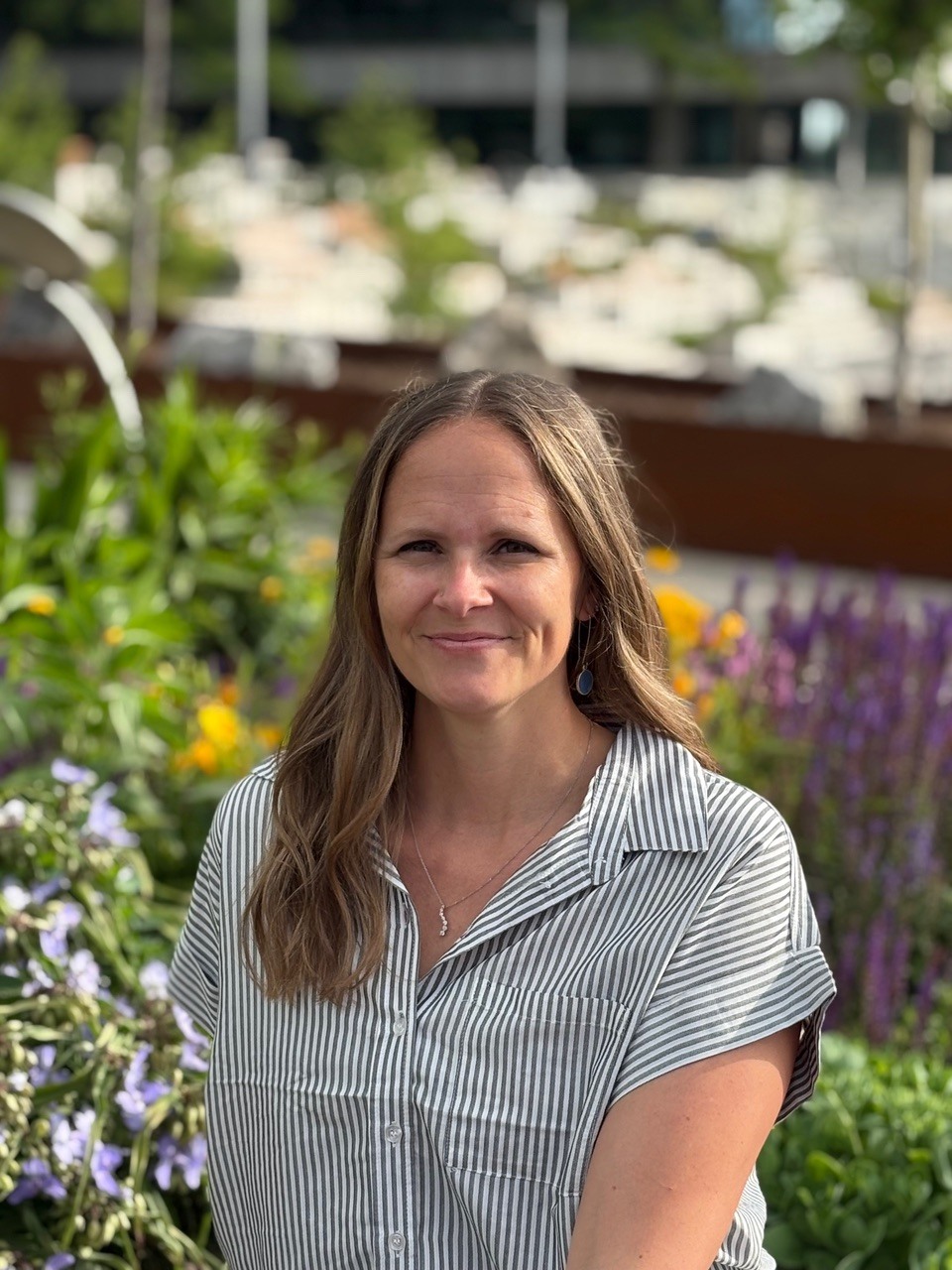
Margo Puffenberger
Margo Puffenberger is a multidisciplinary design professional with more than 20 years of experience supporting projects across the landscape architecture, architecture, interior design, urban planning, and corporate sectors. She serves as Senior Project Manager, Design & Communications at Toledo Design Collective, where she will help advance initiatives that strengthen communities through design, collaboration, and engagement. Throughout her career, Margo has developed strategic communications, branding, and visual design solutions for a diverse range of clients and organizations. As the founder and creative director of Design by m.e.p., she had partnered with municipalities, nonprofits, corporations, and design professionals to bring projects from concept through implementation. Margo earned her B.A. in Visual Communication Design with a minor in Advertising from Kent State University, graduating cum laude, and believes thoughtful design can play a vital role in shaping vibrant, connected communities.
Executive Committee
Nathan Mattimoe
Board Chair | The Arts Commission
Alissa O'Neil
Vice Chair & Chair, Projects Committee | The Collaborative
Brian Perz
Treasurer | Toledo-Lucas County Port Authority
Rachel Momenee
Secretary | The Collaborative
Ty Boyd
Chair, Committee on Directors | Boyd & Associates
Jennifer Van Horn
Past Board Chair | Metroparks Toledo
Governing Board
- Sarah Allen, LISC Toledo
- Stephanie Bartlett, City of Toledo - Vision Zero
- Ruth Chang, Midstory
- Salim Elwazani, Bowling Green State University
- Sally Gladwell, Mannik & Smith Group
- Martin Jarret, Jarret Consulting
- Debra Sue Pearson, Vistula Historic Foundation | Leading Families Home
- Jake Miley, mADE | architects designers engineers
- Stephanie Shackelford, Lucas County Land Bank
- Sujata Shetty, University of Toledo
- Bill Thomas, Toledo Design Collective
- George Thomas, The Fair Housing Center
- Michael Young, Landscape Architect (retired) | Staff Liason
- David Zavak, Office of Congresswoman Marcy Kaptur (OH-9)
- Robert Seyfang, TDC Co-founder, Architect | Emeritus
- Paul Hollenbeck, Architect | Emeritus, in memorium
- Eugene Naujock, Emeritus
Student Co-Ops & Internships
TDC's mission is driven and made possible by more than 50 student Co-Ops and interns from regional schools and universities who come to Toledo to learn hands on community engagement skills while gaining real world planning and design experience and bringing contemporary study and best pactices into work and services provided to our community partners.
Learn more and view TDC's student alumni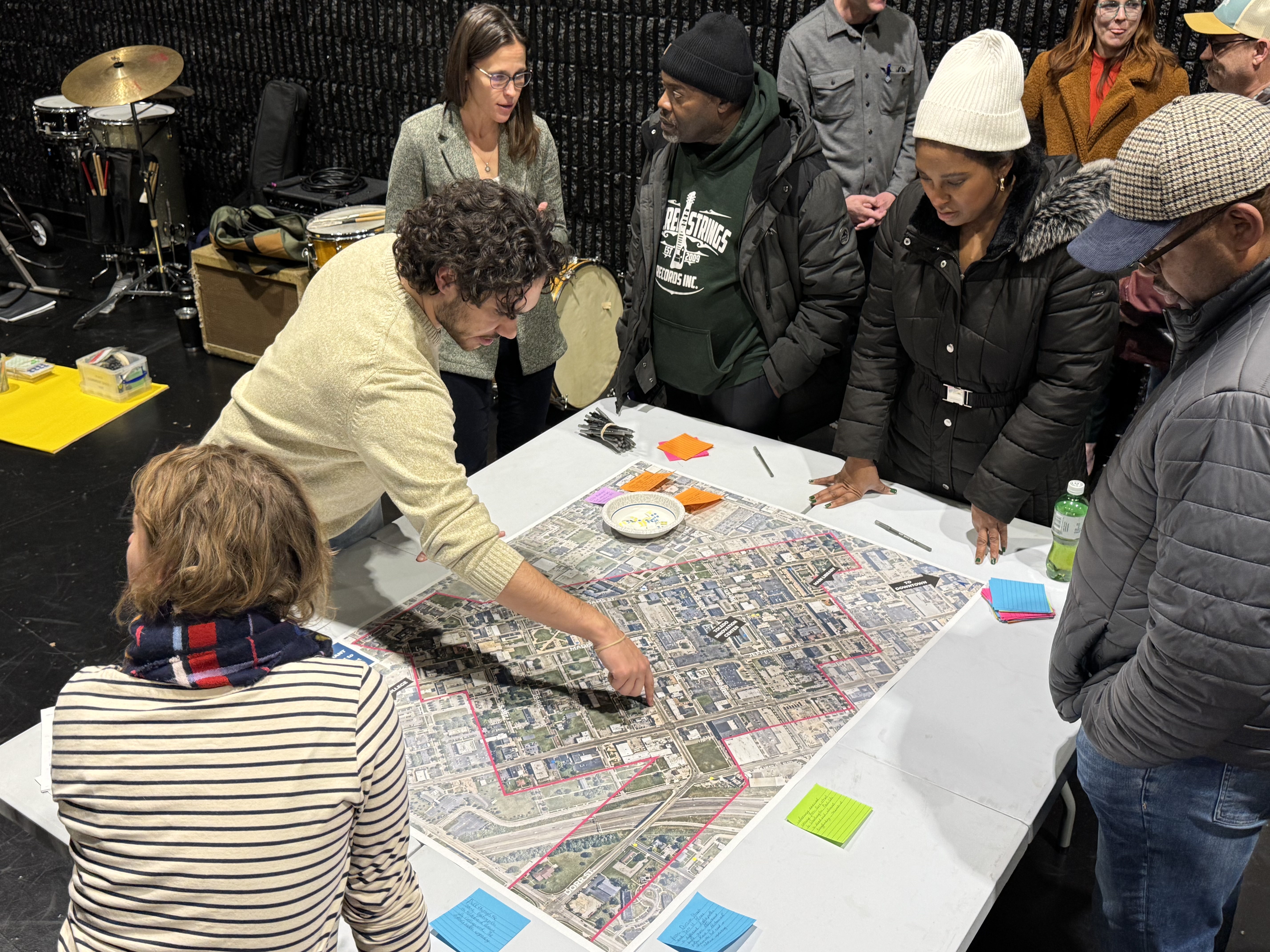
Long-Lasting Impact
Prioritizing urban planning and design impacts quality of life, making Toledo a more desirable place to live, work and play. Our impact is both long-term and short-term—engaging communities in an immediate conversation and casting an ongoing vision for the future.
Positive Outcomes
- Engages communities
- Increases sense of belonging in neighborhoods
- Increases tourism and urban development
- Increases environmental sustainability
- Improves traffic flow
- Repurposes previously vacant structures and land
Check out our work!


Thanks To Our Project & Community Partners